Evidenziare:
Reagente ad alta purezza
, Reagente analitico puro
, Reagente altamente solubile in acqua
HEPES 7365-45-9: Selezione del tampone negli studi di enzimologia a bassa temperatura
In esperimenti di scienze della vita, la selezione ditamponi biologiciL'analisi dei risultati sperimentali è basata su una serie di analisi.i sistemi tampone sono applicati in condizioni fissate a temperatura ambiente o superiore per allinearsi all'intervallo di pH ottimale degli enzimi;Tuttavia, quando le condizioni sperimentali si spostano a basse temperature, le prestazioni di molti tamponi tradizionali possono presentare fluttuazioni significative.che porta a una ridotta stabilità del pH e, di conseguenza, influisce sull'integrità strutturale e sull'attività funzionale degli enzimiIn questo contesto, il tampone HEPES si distingue come una soluzione degna di nota nella ricerca enzimatica a bassa temperatura grazie alla sua unica adattabilità alla temperatura.
|
Nome del prodotto
|
Acido etanosulfonico 4-idrossietilpiperazina
|
Prodotti chimiciAbabbreviazione
|
Buffer HEPES
|
|
CASNombrello
|
7365-45-9
|
PRoduzioneAapparenza
|
Polvere cristallina bianca
|
|
MoleculareWotto
|
238.305
|
MoleculareFormula
|
C8H18N2O4S
|
|
Drisparmio
|
10,07 g/ml a 20 °C
|
MaltiPpomata
|
234-238 °C
|
|
ImmagazzinamentoCcondizioni
|
Temperatura ambiente, lontano dalla luce e dall'umidità
|
Purità
|
Oltre il 99%
|
|
STandardPaccatastamento
|
500 g/bottiglia, 25 kg/fabbrica di cartone
|
Ma fabbricante
|
Hubei Xindesheng
|
Requisiti particolari per gli agenti tamponanti nelle sperimentazioni a bassa temperatura
esperimenti biochimici in condizioni di bassa temperatura, quali studi di cinetica enzimatica, purificazione delle proteine o tecniche di conservazione a bassa temperatura,richiedono che i sistemi tampone non solo mantengano la stabilità entro un determinato intervallo di pHAlcuni agenti tamponanti comunemente utilizzati subiscono cambiamenti significativi nelle loro costanti di dissociazione quando la temperatura diminuisce,che porta a un cambiamento nell'ambiente di pH predeterminatoQuesto può disturbare la conformazione naturale dell'enzima, ridurne l'efficienza catalitica e persino causare la denaturazione.mantenere un pH relativamente costante durante i cambiamenti di temperatura, è diventato un passo chiave nella progettazione di esperimenti a bassa temperatura.

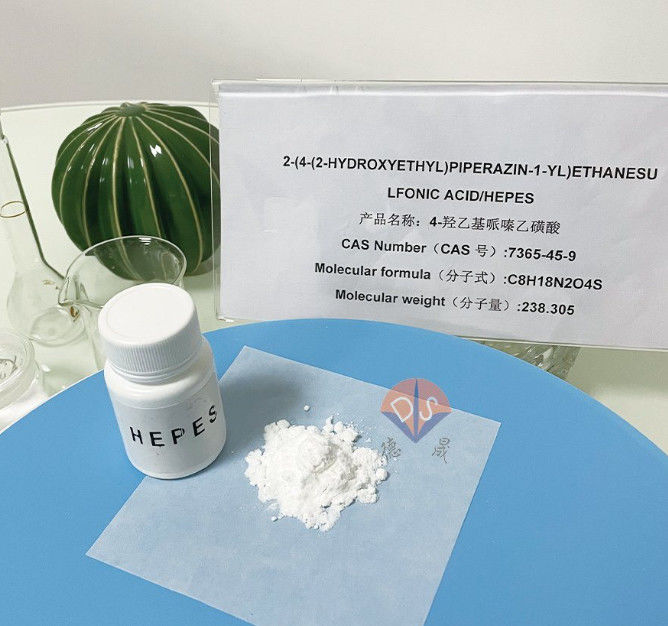
HEPES in polvere
Il vantaggio della stabilità a temperatura della soluzione tampone HEPES
L'HEPES è un tampone zwitterionico con un intervallo di tamponamento efficace tipicamente compreso tra il pH 6,8 e 8.2, ampiamente utilizzato in coltura cellulare, analisi biochimica e esperimenti di biologia molecolare.una caratteristica importante dell'HEPES è che la sua costante di dissociazione varia meno con la temperaturaCiò significa che il tampone HEPES può mantenere un ambiente di pH relativamente stabile sia a temperatura ambiente che a bassa temperatura, fornendo un mezzo di reazione mite e continuo per gli enzimi.
Valore di applicazione nell'enzimologia a bassa temperatura
Nella ricerca enzimatica a bassa temperatura, l'applicazione di tampone HEPES può sostenere il mantenimento della struttura enzimatica e il normale funzionamento.in alcuni esperimenti che richiedono un trattamento a bassa temperatura degli enzimi per studiarne la stabilità termica o il meccanismo di piegatura, l'HEPES fornisce un ambiente di buffering affidabile, evitando fattori di interferenza introdotti a causa di un guasto del sistema di buffer.le proprietà di legame dei bassi ioni metallici dell'HEPES riducono anche il legame competitivo con i centri attivi dell'enzima, garantendo ulteriormente l'integrità funzionale dell'enzima.
Suggerimenti per l'uso negli esperimenti
Per sfruttare appieno i vantaggi dell'HEPES in condizioni di bassa temperatura, it is recommended to accurately prepare the buffer solution before the experiment and use a calibrated pH meter to adjust the pH at the experimental temperature to correct for any minor effects that may be caused by temperatureAllo stesso tempo,Ottimizzare la concentrazione e la resistenza agli ioni della soluzione tampone in base alle caratteristiche specifiche degli enzimi e ai requisiti sperimentali può migliorare ulteriormente i risultati sperimentaliVa notato che il tampone HEPES deve evitare la coesistenza con forti ossidanti o agenti riducenti e deve essere conservato in condizioni adeguate per mantenere la sua stabilità a lungo termine.
SUmmmary
In sintesi, il tampone HEPES ha dimostrato un valore significativo nella ricerca enzimatica a bassa temperatura a causa della sua stabilità del pH sotto variazioni di temperatura.L'HEPES può mantenere meglio la struttura e la funzione degli enzimi in ambienti a bassa temperatura, fornendo un supporto affidabile per gli esperimenti di scienze della vita.L'HEPES dovrebbe continuare a svolgere il suo ruolo unico nel promuovere lo sviluppo e l'innovazione della ricerca scientifica.
Imballaggio del prodotto
Come unBuffer HEPESDesheng, produttore, controlla rigorosamente la qualità dei prodotti e istituisce un reparto qualità per ispezionare i lotti di prodotti.Solo dopo che l'imballaggio e la qualità soddisfano gli standard possono essere venduti dalla fabbricaPertanto, Desheng ha ricevuto lode unanime dai clienti. Se avete intenzioni pertinenti, si prega di fare clic sul sito web per chiedere dettagli e acquisto!


 Il tuo messaggio deve contenere da 20 a 3000 caratteri!